Should We Be Hyped—or Freaked Out—About Nuclear Microreac...
Microreactors could be coming soon to commercial grids. Is that a good thing?
What’s Happening
So get this: Microreactors could be coming soon to commercial grids.
As of now, nuclear energy in practical contexts refers to fission, or splitting heavy particles to generate massive loads of energy. The goal is to at some point transition to fusion, which combines two light particles, also to produce enormous power but at a lower environmental cost. (wild, right?)
Each fossil fuel alternative generally has its own of detractors and ongoing issues , but the debate over nuclear power is among the most prominent, at least from a publicity standpoint.
The Details
That dropped, nuclear energy is undoubtedly a strong, high-stakes industry with rapid developments. Governments often get involved , and the balance between innovation and safety is always a significant problem.
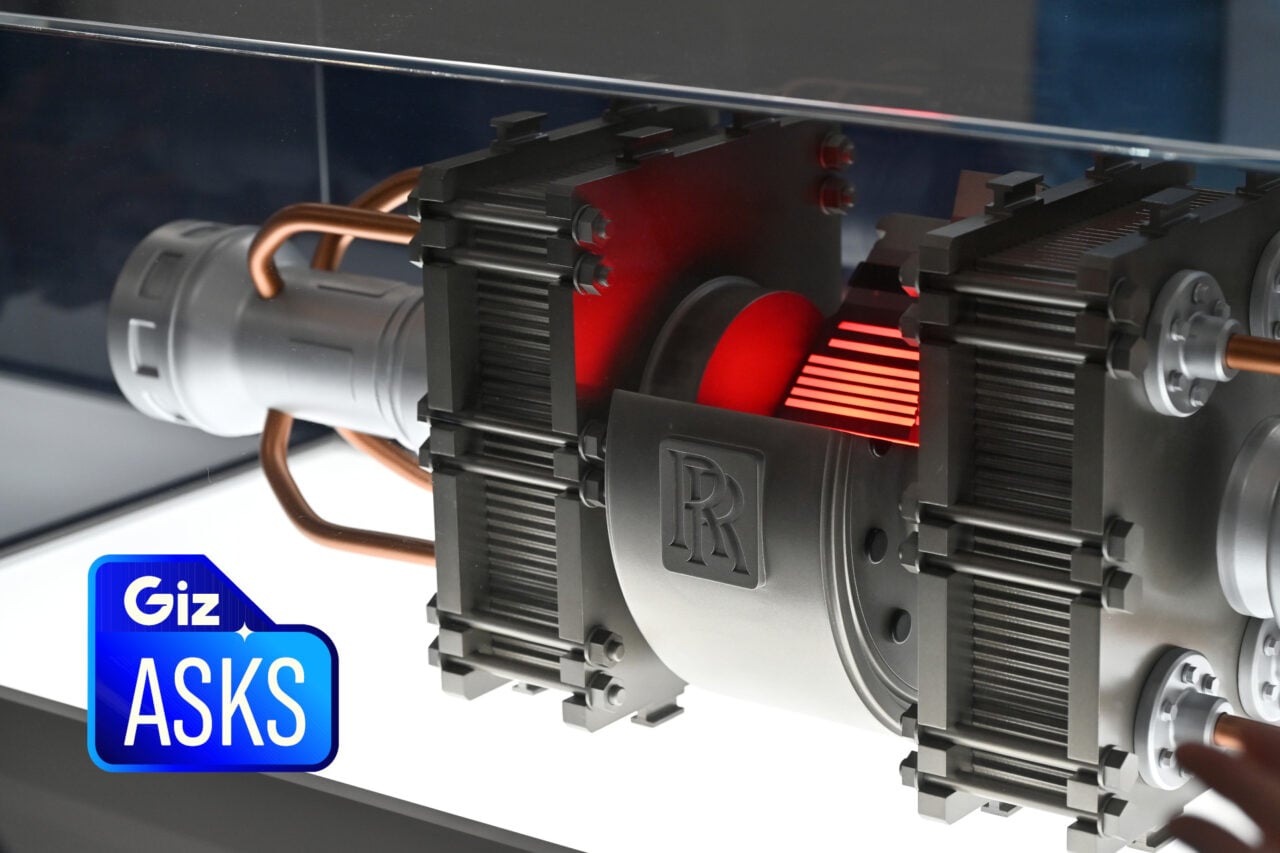
Meanwhile, the current administration seems keen on ramping up America’s nuclear power capacity, including initiatives to bring microreactors —small, transportable nuclear reactors—to U. Grids in remote locations, military bases, and commercial operations.
Why This Matters
Microreactors aren’t necessarily new; they were conceived in 1939 for military use, and NASA demonstrated a small, lightweight nuclear system for spacecraft in 2018. But the push to bring them to civilian settings gained traction last year with the Department of Energy (DOE)s DOME initiative, whose pilot projects are slated to start as soon as spring 2026 . So well surely hear more about microreactors soon.
Tech companies have been making moves like this as competition heats up.
Key Takeaways
- In this Giz Asks, we asked various the experts and everyone involved to help us understand the state of microreactors.
- Will their benefits truly outweigh their costs?
- What are some real advantages of microreactors?
- Or perhaps more importantly, what are the risks?
The Bottom Line
Ralf Kaiser Experimental nuclear physicist, International Centre for Theoretical Physics ; former head of physics research at the International Atomic Energy Agency. Nuclear reactors have not seen much technological progress for quite some time.
Is this a W or an L? You decide.
Daily briefing
Get the next useful briefing
If this story was worth your time, the next one should be too. Get the daily briefing in one clean email.
Reader reaction