Optical Illusions Can Trick AI, Just Like They Fool Us
Fooled by an optical illusion? You're not the only one.
What’s Happening
Okay so Fooled by an optical illusion?
Learn how these illusions can fool AI, too. There are lots of visual illusions: an old woman who turns into a young girl, a drawing that’s either a duck or a rabbit depending on how you look at it, and, need I mention the blue and black, or white and gold dress? (yes, really)
Visual illusions are fun, but why do we fall for them?
The Details
But new research on AI might offer some clues. Eiji Watanabe, a neurophysiologist at the National Institute for Basic Biology in Okazaki City, Japan, just found out that AI can fall for some of the same illusions that trick humans.
And that may help scientists understand why we fall for them. : AI and the Human Brain: How Similar Are They?
Why This Matters
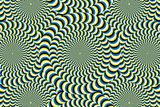
Perceiving Visual Illusions There’s a famous visual illusion called rotating snakes. When you gaze at the image of overlapping concentric circles, the patterns (the snakes) seem to revolve slowly — until, that is, you focus on a single spot (any spot), at which point the snakes freeze, as if they’ve just noticed you’re watching them. The illusion is cool, if a bit headache-inducing.
This could have implications for future research in this area.
Key Takeaways
- But what would AI make of that?
- And sure enough, the AI was fooled.
- PredNet interpreted the snakes as moving (though it was unable to get them to stop one particular spot).
The Bottom Line
That’s the idea that when we process sensory input — visual input, for example — our brains predict what they expect to see, then adjust for things that don’t match the prediction. Because the brain doesn’t waste precious resources building an image from scratch, this is a efficient way to process input.
Are you here for this or nah?
Daily briefing
Get the next useful briefing
If this story was worth your time, the next one should be too. Get the daily briefing in one clean email.
Reader reaction