Into the Omniverse: NVIDIA GTC Showcases Virtual Worlds P...
Editor’s note: This post is part of Into the Omniverse, a series focused on how developers, 3D practitioners, and enterprises can transfo...
What’s Happening
Let’s talk about Editor’s note: This post is part of Into the Omniverse, a series focused on how developers, 3D practitioners, and enterprises can transform their workflows using the latest advances in OpenUSD and NVIDIA Omniverse.
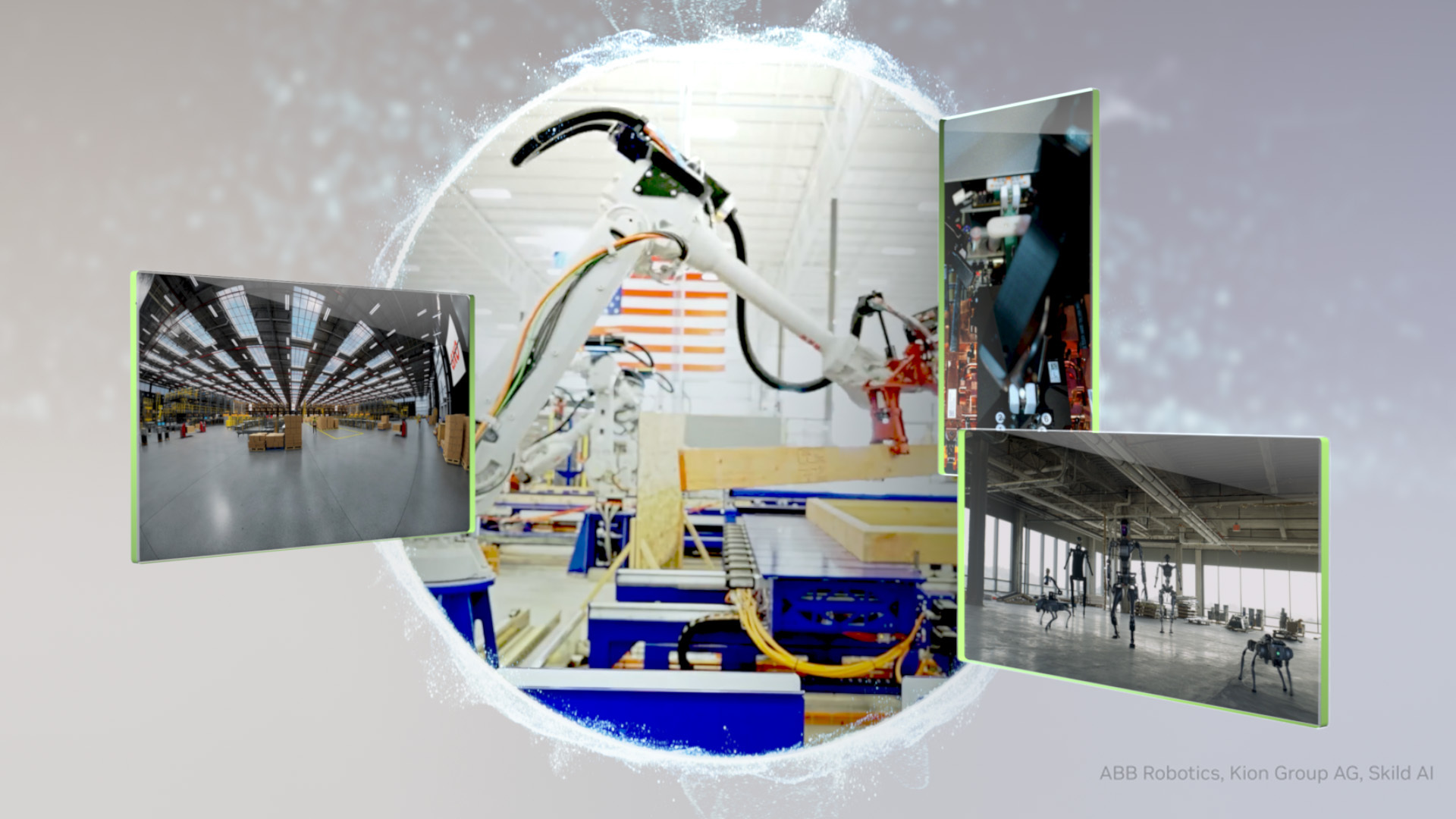
NVIDIA GTC last week showcased a turning point in physical AI: Robots, vehicles and factories are scaling from single use cases and [] Into the Omniverse: NVIDIA GTC Showcases Virtual Worlds Powering the Physical AI Era by Heather McDiarmid This Article X Facebook LinkedIn Copy link Link copied! At the center of this shift are new frontier models for physical AI, including NVIDIA Cosmos 3, NVIDIA Isaac GR00T N1. (yes, really)
NVIDIA also dropped the NVIDIA Physical AI Data Factory Blueprint , designed to push the state of the art in world modeling, humanoid skills and autonomous driving, as well as the NVIDIA Omniverse DSX Blueprint for AI factory digital twin simulation.
The Details
Open source agentic frameworks such as OpenClaw extend the AI stack all the way to operations — enabling long‑running “claws” that use tools, memory and messaging interfaces to orchestrate workflows, manage data pipelines and execute tasks autonomously on dedicated machines. “With NVIDIA and the broader ecosystem, we’re building the claws and guardrails that let anyone create powerful, secure AI assistants,” dropped Peter Steinberger, creator of OpenClaw, in an NVIDIA press release from GTC.
OpenUSD is a driving force behind the scalability of physical AI — providing a common, scene‑description language that lets teams bring computer-aided design (CAD) data, simulation assets and real‑world telemetry into a d, physically accurate view of the world. Simulating the AI Factory Before It’s Built Modern AI factories are complex — spanning thermals, power grids, network load and mechanical systems.
Why This Matters
Building them on time and on budget becomes much easier when using simulation technology.
As AI capabilities expand, we’re seeing more announcements like this reshape the industry.
The Bottom Line
This story is still developing, and we’ll keep you updated as more info drops.
Thoughts? Drop them below.
Daily briefing
Get the next useful briefing
If this story was worth your time, the next one should be too. Get the daily briefing in one clean email.
Reader reaction