Facial recognition AI trained to work on bears
The noninvasive method is already monitoring over 100 Alaskan brown bears.
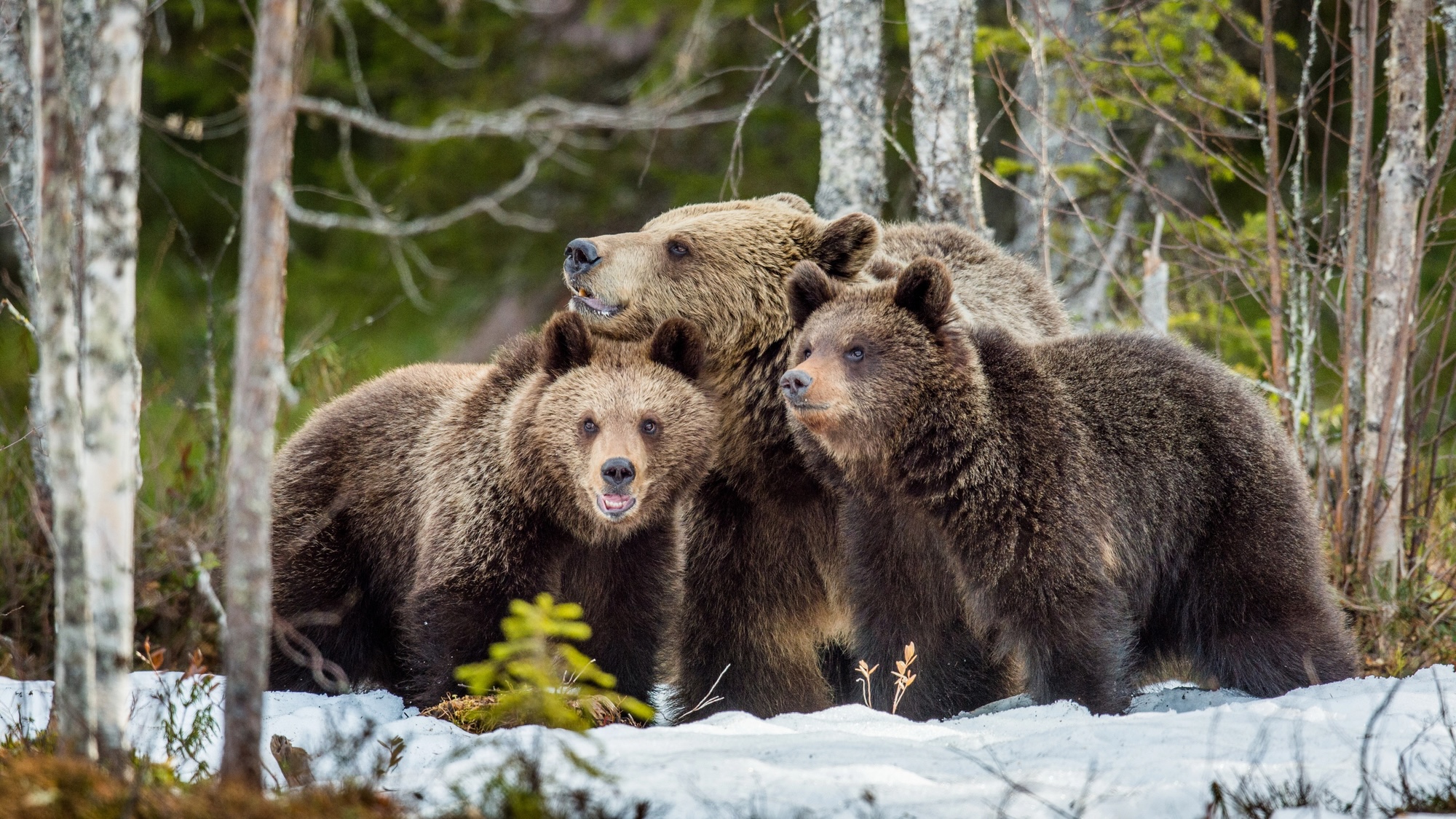
What’s Happening
Okay so The noninvasive method is already monitoring over 100 Alaskan brown bears.
The post Facial recognition AI trained to work on bears appeared first on Popular Science. Bears are often notoriously difficult to tell apart from one another, making it hard for conservationists to track them. (yes, really)
Credit: Deposit Photos / Sergei Uriadnikov Get the Popular Science daily 💡 Breakthroughs, discoveries, and DIY tips sent six days a week.
The Details
For most people, assessing a bear ’s weight or fur color isn’t a top priority during an unexpected encounter in the woods. Instead, the desire to survive generally wins out over lingering to admire the predator’s sizable claws or snout shape.
Knowing this, you’d be forgiven for having difficulty differentiating one bear from another. For many ecologists, monitoring individual animals over long periods of time—even years—is crucial to conservation efforts.
Why This Matters
But even the the experts easily get confused. This is especially true given a bear’s often dramatic, seasonal weight fluctuations, as well as how physically different they may look pre- and post-hibernation. To help wildlife biologists make sense of it all, a team at Switzerland’s EPFL and Alaska Pacific University (APU) has developed PoseSwin , a ML program capable of telling brown bears apart from one another.
Scientists and researchers are watching this development closely.
Key Takeaways
- The technology was just detailed in a study just published in the journal Cell Current Biology .
- PoseSwin was trained on over 72,000 photos of 109 different brown bears taken Beth Rosenberg between 2017 and 2022.
The Bottom Line
These features include their brow bone angle, ear placement, and muzzle shape. Next, they incorporated data on how bears looked in different poses and at varying angles.
What do you think about all this?
Daily briefing
Get the next useful briefing
If this story was worth your time, the next one should be too. Get the daily briefing in one clean email.
Reader reaction