🤖 ai
AI's 'Slop' Problem: Why Businesses Can't Ignore It
Public sentiment on AI is souring, but dismissing 'slop' from casual reviews blinds businesses to real, advancing capabilities.
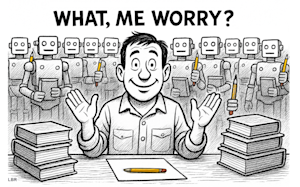
What’s Happening Three years ago, ChatGPT emerged, igniting unprecedented investment and global excitement in artificial intelligence. However, public sentiment around the AI boom has recently turned sharply negative, despite the technology still being in its infancy. This shift began with OpenAI’s release of GPT-5 this summer, which received mixed reviews from casual users. Many judged the system primarily by its surface flaws, rather than its underlying, potent capabilities, leading pundits to declare AI progress is slowing. ## Why This Matters Dismissing AI based solely on these consumer-facing ‘slop’ issues is a dangerous misstep, particularly for enterprise. It critically obscures the very real and significant capability gains that continue to advance behind the scenes, impacting strategic decision-making. This growing ‘AI denial’ poses a substantial enterprise risk. Companies that ignore or undervalue AI’s true potential, swayed by superficial critiques, risk falling significantly behind in a rapidly evolving market. - Businesses may fail to use crucial efficiency and productivity enhancements.
- They risk misjudging competitive landscapes and future industry disruptions.
- Opportunities for notable product and service innovation could be entirely missed. ## The Bottom Line The message for business leaders is clear: don’t let current imperfections or public ‘slop’ narratives blind you to AI’s rapidly evolving, fundamental capabilities. Organizations must look beyond surface flaws to understand and strategically harness this transformative technology. Are you prepared to see past the noise, or will your enterprise risk being left behind?
Daily briefing
Get the next useful briefing
If this story was worth your time, the next one should be too. Get the daily briefing in one clean email.
Reader reaction