A simple shift in schedule could make cancer immunotherap...
A lung cancer trial bolsters a long-held idea that treatment timing matters, showing a simple shift could help immunotherapy work better ...
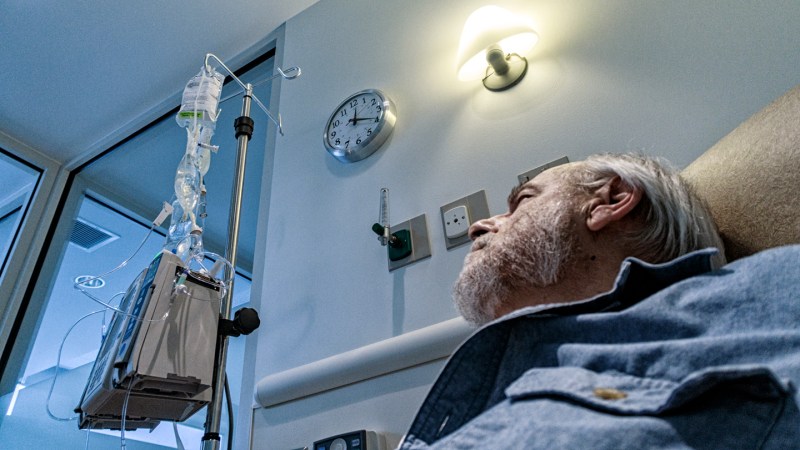
What’s Happening
Real talk: A lung cancer trial bolsters a long-held idea that treatment timing matters, showing a simple shift could help immunotherapy work better and extend lives.
News Health & Medicine A simple shift in schedule could make cancer immunotherapy work better A randomized trial shows morning immunotherapy extends survival without new drugs or doses Administering cancer treatments earlier in the day affects how well they rev up the immune system to fight tumors. Willowpix/ By Elie Dolgin 2 hours ago this: via email (Opens in new window) Email Click to on Facebook (Opens in new window) Facebook Click to on Reddit (Opens in new window) Reddit Click to on X (Opens in new window) X Click to print (Opens in new window) Print The idea that cancer treatment might work better at certain times of day has circulated for decades but has rarely faced rigorous clinical testing. (shocking, we know)
Now, a randomized trial of 210 people with advanced lung cancer affirms that timing fr matters , researchers report February 2 in Nature Medicine .
The Details
The study is the first controlled trial to examine whether the timing of immune therapy affects patient outcomes, offering the strongest evidence yet that circadian biology — the body’s internal clock — can shape how well cutting-edge cancer drugs mobilize the immune system against tumors. For our We summarize the week’s scientific breakthroughs every Thursday.
“It’s a wild study,” says Chi Van Dang, a cancer biologist at the Ludwig Institute for Cancer Research in New York City who was not involved in the research. “The data are clear that time of day makes a difference.
Why This Matters
” Previous studies had hinted at similar timing effects, Van Dang notes, but those findings emerged from retrospective analyses of patient records and were vulnerable to confounding factors such as job flexibility, travel distance and patient frailty — variables that could skew who receives therapy earlier or later in the day. Randomization helps cut through those uncertainties other aspects of care the same and varying only the timing of treatment.
The scientific community tends to find developments like this significant.
The Bottom Line
This story is still developing, and we’ll keep you updated as more info drops.
What’s your take on this whole situation?
Daily briefing
Get the next useful briefing
If this story was worth your time, the next one should be too. Get the daily briefing in one clean email.
Reader reaction